Arenac County Jail Inmate Roster Search
This site is not owned or operated by any state government agency, read more.
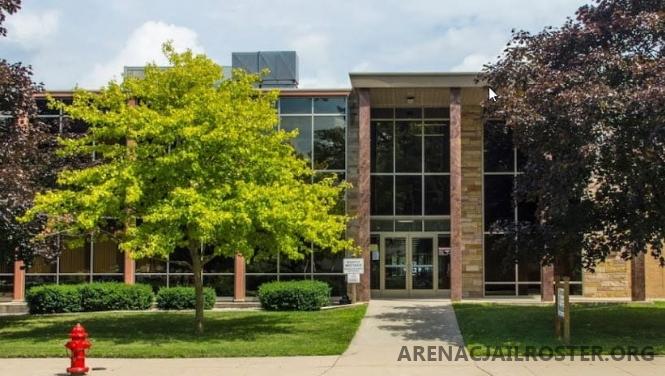
Arenac County Jail, MI, a corrections facility, houses incarcerated persons within the jurisdiction of Arenac County in Michigan. Located in the city of Standish, the jail serves the communities of Arenac County, including the cities of Au Gres and Standish, as well as the townships of Arenac, Clayton, Deep River, Lincoln, Moffatt, Sage, and Standish. The jail houses both pre-trial detainees and convicted offenders serving short-term sentences. It is responsible for the safety and security of those in its custody, as well as providing programs and services to facilitate rehabilitation and reintegration into the community.
Arenac County Jail Inmate Lookup
The Arenac County Jail, MI, offers an online inmate search tool that provides information about individuals currently in custody. The search can be conducted using various criteria, including the offender's name, booking number, or date of birth. To perform an inmate search:
- Visit the Arenac County Sheriff's Office website and navigate to the "Inmate Search" page.
- Select the search type: "By Name," "By Booking Number," or "By Date of Birth."
- Enter the relevant information in the designated field.
- Click the "Search" button.
The search results will display basic information about the offender, including their name, booking number, date of birth, charges, bond amount, and court date. Clicking on the offender's name will provide additional details, such as a physical description, mugshot, and criminal history.
The Arenac County Jail inmate lookup tool is a valuable resource for obtaining information about incarcerated individuals. It enables family members, friends, attorneys, and the general public to locate and track the status of offenders.
Jail Roster
The jail roster at the Arenac County Correctional Institution provides a comprehensive list of individuals currently in custody at the facility. The roster includes the following information:
- Booking Number: A unique identifier assigned to each incarcerated person upon booking into the jail.
- Last Name: The offender's last name.
- First Name: The offender's first name.
- Date of Birth: The offender's date of birth.
- Release Date: The date on which the offender is scheduled to be released from custody.
- Criminal Charges: A summary of the charges against the offender.
The jail roster is updated regularly, typically on a daily basis. The most up-to-date version of the roster can be found on the Arenac County Sheriff's Office website.
The jail roster serves several purposes:
- It provides information to the public about individuals who have been arrested and are currently in custody.
- It allows family members and friends to locate and track the status of incarcerated persons.
- It assists law enforcement agencies in identifying and apprehending fugitives.
- It facilitates communication between inmates and their attorneys.
The jail roster is an important tool for transparency and accountability in the criminal justice system. It provides the public with access to information about those who have been charged with crimes and are being held in custody.
How to Call a Detainee
Inmates at Arenac County Correctional Institution can receive phone calls from friends and family members through a contracted phone service provider. To call an inmate, you will need the following information:
- The inmate's booking number
- The inmate's last name
You can call the jail at (989) 846-4555 and follow the prompts to be connected to the inmate. Calls are subject to monitoring and recording.
Regulations and Guidelines for Inmate Calls:
- Calls are limited to 15 minutes in length.
- Inmates are limited to a certain number of phone calls per day.
- Calls cannot be made to collect or to international numbers.
- Inmates are not allowed to make calls to 911 or to law enforcement agencies.
Inmate Messaging
Inmates at Arenac County Correctional Institution are not able to receive or send voice or text messages.
Detainee Mail
Inmates at Arenac Correctional Center can receive mail from friends and family members. To ensure proper delivery, the following guidelines must be followed:
- Inmate Name and Number: Clearly write the full name of the incarcerated person and their seven-digit booking number on the front of the envelope.
- Mailing Address: Use the following address:
Inmate Name, Inmate Number
Arenac Correctional Center
3425 S. M-13
Standish, MI 48658- Content: Mail should be limited to letters, legal documents, and photographs. All mail is opened and inspected by security staff before being delivered to inmates.
-
Prohibited Items: The following items are not allowed in the mail:
- Money orders or cash
- Drugs or other contraband
- Food or drinks
- Weapons or sharp objects
- Pornographic materials
Inmate Care Packages
Inmates at ACC can also receive care packages from approved sources. Care packages must be mailed directly from a retail store or business; packages mailed from private individuals will not be accepted.
To send a care package, you must first create a care package request form on the JPay website. Once the request form is approved, you will receive a shipping label to attach to the package.
Care packages are subject to inspection by security staff. Prohibited items include:
- Food or drinks
- Drugs or other contraband
- Weapons or sharp objects
- Pornographic materials
- Tobacco products
- Cash or money orders
Deposits
Inmates at ACC can receive money from friends and family members through JPay. Deposits can be made online, by phone, or by mail.
- Online: Visit the JPay website and create an account. You will need the incarcerated person's name and seven-digit booking number.
- Phone: Call JPay at 1-800-574-5729 and follow the prompts to make a deposit. You will need the incarcerated person's name and seven-digit booking number.
- Mail: Send a money order made out to JPay to the following address:
JPay
P.O. Box 368505
Dallas, TX 75336
Include the incarcerated person's name and seven-digit booking number in the memo line of the money order.
Deposits are typically processed within 24 hours. Inmates can use the funds to purchase items from the commissary, pay for phone calls, or send money to other inmates.
Visitation
Procedure for Arranging a Visit:
To arrange a visit at Arenac Correctional Center, you must first create an account on the JPay website. Once you have created an account, you can schedule a visit by following these steps:
- Select the inmate you wish to visit from the inmate search results.
- Click on the "Schedule a Visit" button.
- Select the date and time of your visit.
- Enter your contact information and relationship to the inmate.
- Pay the visitation fee (if applicable).
Rules and Regulations for Visits:
- All visitors must be at least 18 years of age or accompanied by a parent or legal guardian.
- Visitors must present a valid photo ID upon arrival.
- Visitors are subject to a pat-down search before entering the visitation area.
- Food and drinks are not allowed in the visitation area.
- Visitors must dress appropriately.
- Visitors may not bring any contraband into the visitation area.
Visitation Hours:
- Weekdays: 9:00 AM to 11:00 AM and 1:00 PM to 3:00 PM
- Weekends and Holidays: 10:00 AM to 12:00 PM and 2:00 PM to 4:00 PM
Video Visitation:
ACC offers video visitation for inmates who are unable to receive in-person visits. Video visits can be scheduled through the JPay website.
Inmate Commissary
Definition and Purpose:
The commissary is a store located within the jail that sells a variety of items to inmates, such as food, snacks, toiletries, and clothing. The commissary provides inmates with the opportunity to purchase items that are not provided by the jail, such as snacks, candy, and hygiene products.
How Inmates Can Use the Commissary:
Inmates can purchase items from the commissary using funds that are deposited into their inmate accounts. Deposits can be made by friends and family members through JPay.
Restrictions on Commissary Use:
Certain items may be restricted from purchase at the commissary, such as tobacco products, weapons, and illegal drugs. Inmates may also be limited in the amount of money they can spend at the commissary each week.
Release Information
Release Explanation:
Inmates are released from Arenac Correctional Center when they have completed their sentence, have been granted parole, or have been ordered released by a court.
Who Can Be Released:
- Inmates who have completed their sentence
- Inmates who have been granted parole
- Inmates who have been ordered released by a court
- Inmates who have been acquitted of all charges
- Inmates who have been found not guilty by reason of insanity
How to Get Inmate Release Information:
To obtain information about an inmate's release, you can contact the ACC Records Department at (989) 846-4555.
Security Level and Jail Staff
General Description of Security Measures:
ACC is a medium-security jail. Security measures at the jail include:
- Secure perimeter fencing
- Electronic surveillance
- Armed security guards
- Pat-down searches of visitors and inmates
- Drug and alcohol testing
Categories of Offenders Housed:
ACC houses a variety of offenders, including:
- Pre-trial detainees
- Convicted felons
- Convicted misdemeanants
- Inmates with mental health issues
Role of Correctional Officers:
Correctional officers are responsible for the safety and security of the jail and its inmates. Their duties include:
- Patrolling the jail
- Monitoring inmates
- Conducting searches
- Enforcing jail rules and regulations
- Responding to emergencies
Correctional Staff:
In addition to correctional officers, ACC also employs a variety of other staff, including:
- Jail administrators
- Medical staff
- Mental health professionals
- Food service staff
- Maintenance staff
Location and Contact Details
Official Address
126 North Grove Street, Standish, MI, 48658
Official Phone Number
989-846-4561
Official Website
Standish, MI
Frequently Asked Questions
How can I search for an inmate in a specific facility?
To search for an inmate in a specific facility, you can typically use the facility's official website, where an inmate search or locator tool is often provided. Follow these steps:
- Visit the correctional facility's or the state's department of corrections website.
- Locate the inmate search or locator tool on the website.
- Enter the required information, such as the inmate's name, ID number, or date of birth.
- Review the search results for the inmate's location, booking information, and status.
Some facilities also provide assistance over the phone for those unable to access the internet.
What information do I need to have before starting an inmate search?
Before starting an inmate search, it's helpful to have the following information:
- Full name of the inmate, including any middle names or initials.
- Date of Birth to help differentiate between individuals with similar names.
- Inmate ID number (if known), which can directly lead to the inmate’s information.
- The facility where the inmate is believed to be located, if known.
Having this information ready can make your search quicker and more accurate.
Are inmate search services available online for all correctional facilities?
Inmate search services are available online for most state and federal correctional facilities, but availability may vary for county jails and smaller detention centers. Some jurisdictions may not offer online search tools due to privacy concerns, technical limitations, or policy decisions. In such cases, contacting the facility directly by phone or in-person may be necessary.
Arrest Lookup
How can I find out if someone has been arrested recently?
To find out if someone has been arrested recently, you can:
- Check local police department websites: Many police departments post arrest logs or press releases.
- Use online search services: Some websites aggregate arrest information from various sources. Be aware of accuracy and privacy concerns.
- Contact the police department: If you know the area where the arrest might have occurred, you can call the local police department directly.
What details are provided in an arrest lookup?
An arrest lookup can provide various details, including:
- The name of the person arrested.
- The date and time of the arrest.
- The charges against the individual.
- The booking photo or mugshot.
- The location of the arrest.
- Bail or bond information, if applicable.
Active Warrant Search
How do I check for active warrants against someone?
To check for active warrants against someone, you can:
- Visit the local sheriff's office or court website: Many jurisdictions have online search tools for active warrants.
- Use state-specific online databases: Some states provide centralized databases for warrant searches.
- Contact the court clerk: If online resources are not available, calling the court clerk in the jurisdiction where the warrant might have been issued can provide information.
Is there a national database available for warrant searches?
While there is no public national database for all active warrants, the National Crime Information Center (NCIC), managed by the FBI, contains information about persons with outstanding warrants across the United States. However, access to the NCIC is restricted to law enforcement agencies. For public access, individuals must rely on state or local databases and resources.
Jail Bookings
Where can I find recent jail booking information?
Recent jail booking information can often be found on:
- Local sheriff's office websites: Many sheriff's offices publish daily or weekly booking logs.
- County jail websites: Some county jails maintain online databases of current inmates or recent bookings.
- Third-party websites: Be cautious as these may not always have the most current or accurate information.
Can I access jail booking records online?
Yes, you can access jail booking records online in many jurisdictions through the websites of local law enforcement agencies, such as sheriff's offices or county jails. Availability and the extent of accessible information can vary widely.
Mugshots
Are mugshots available to the public?
Mugshots are generally considered public records and are available to the public in many jurisdictions. However, access policies and the method of obtaining them can vary by state and agency. Some states have enacted laws to restrict public access to mugshots to protect individuals' privacy rights.
How can I find a mugshot of a specific individual?
To find a mugshot of a specific individual:
- Check the local sheriff's office or police department website: Many law enforcement agencies post mugshots online, especially for recent arrests.
- Request from the agency: If not available online, you may be able to request a mugshot directly from the law enforcement agency, although fees may apply.
- Use third-party websites: Exercise caution, as these sites may not have up-to-date or accurate information.
Inmate Calls
What are the rules and costs associated with inmate calls?
Rules and costs for inmate calls vary by facility but generally include:
- Pre-approval: Inmates' phone lists are often required to be approved by the facility.
- Call limits: There may be limits on call length or frequency.
- Costs: Charges for calls can be significantly higher than standard rates, with fees for connection and per-minute charges. Costs vary widely among facilities and states.
How can I set up a prepaid account for inmate calls?
To set up a prepaid account for inmate calls:
- Identify the phone service provider: Find out which company provides phone services for the facility.
- Create an account: Visit the provider’s website or contact them by phone to create an account.
- Deposit funds: Add money to your account via online payment, phone, or sometimes in-person at the facility.
Inmate Mail
What are the guidelines for sending mail to an inmate?
Guidelines for sending mail to an inmate typically include:
- Addressing: Use the correct format for the inmate’s name and ID number, along with the facility’s address.
- Content restrictions: Avoid sending prohibited items, such as contraband, cash, or explicit materials.
- Inspection: Be aware that all mail is subject to inspection by the facility staff.
Can inmates send mail to people outside the jail/prison?
Yes, inmates can send mail to people outside the jail/prison. Outgoing mail is generally inspected for contraband or content that violates facility rules or security. Costs for postage may be the inmate's responsibility, depending on the facility's policies.
Visitation
How do I schedule a visitation with an inmate?
To schedule a visitation with an inmate:
- Check the facility's visitation policy: Each facility has its own rules regarding visitation schedules, duration, and allowed visitors.
- Register as a visitor: You may need to complete a visitor application and be approved before scheduling a visit.
- Schedule the visit: Use the facility’s online system, phone, or in-person process to schedule your visitation.
What are the identification requirements for visiting an inmate?
Identification requirements for visiting an inmate typically include a government-issued photo ID, such as a driver's license, passport, or state ID card. Minors may need to be accompanied by an adult and have their birth certificate or other identification.
Sending Money
What methods are available for sending money to an inmate?
Methods for sending money to an inmate usually include:
- Online payments: Through the facility’s or a third-party provider’s website.
- Wire transfers: Services like Western Union or MoneyGram.
- Mail: Sending a money order directly to the facility.
- In-person deposits: At the facility or through a kiosk in the lobby.
Are there any limits or fees associated with sending money to inmates?
Yes, there are often limits on the amount of money you can send at one time or in total to an inmate. Fees can vary significantly depending on the method used for sending money, with electronic transfers typically incurring higher fees.
Posting Bond
How can I post bond for someone?
To post bond for someone:
- Determine the bond amount: Obtain the bond amount from the jail or court.
- Choose the type of bond: Decide whether to post cash bond directly, use property, or hire a bail bondsman for a surety bond.
- Complete the transaction: Pay the bond at the court or jail, or complete paperwork with a bail bondsman.
What are the different types of bonds?
The different types of bonds include:
- Cash bond: The full bond amount is paid in cash and may be refunded after court proceedings.
- Surety bond: A bail bondsman guarantees the bond for a fee, usually 10-15% of the bond amount, which is non-refundable.
- Property bond: Using property as collateral for the bond amount.
Release
How can I find out when an inmate will be released?
To find out when an inmate will be released, you can:
- Check the inmate locator tool: Many correctional facility websites have tools to check inmates' statuses.
- Contact the facility: Call the facility where the inmate is housed and inquire directly.
What are the procedures for picking up someone who has been released?
Procedures for picking up someone who has been released vary by facility but generally include:
- Confirm the release date and time: Contact the facility to confirm when the inmate will be released.
- Understand the pickup location: Some facilities have a specific area for releases.
- Bring necessary identification: You may need to show ID to pick up the inmate.
Legal Assistance for Inmates
How can inmates receive legal assistance while incarcerated?
Inmates can receive legal assistance through:
- Public defenders: For criminal cases, if the inmate cannot afford an attorney.
- Legal aid organizations: Nonprofits that provide legal services to low-income individuals.
- Pro bono services: Some attorneys offer free legal services to inmates on a case-by-case basis.
Are there any organizations that provide free legal services to inmates?
Yes, there are organizations that provide free legal services to inmates, including:
- The American Civil Liberties Union (ACLU): Focuses on civil rights and liberties.
- Legal Services Corporation (LSC)-funded programs: Offer various legal services to eligible individuals.
- Innocence Project: Works on cases where there is evidence of wrongful convictions.
Medical Assistance for Inmates
What kind of medical care is available to inmates?
Inmates have the right to access medical care that is necessary for the treatment of illness and the maintenance of health. This includes:
- Emergency care: Immediate treatment for acute illness or injury.
- Routine care: Ongoing treatment for chronic conditions and access to medications.
- Mental health services: Counseling and psychiatric services.
How can I report or inquire about an inmate's medical issues?
To report or inquire about an inmate's medical issues:
- Contact the facility’s medical unit: Direct communication is often the most effective way to address concerns.
- Use the inmate grievance system: Inmates can file grievances regarding their medical care.
- Reach out to external advocacy groups: Organizations focused on inmates' rights may be able to offer assistance or advice.
Criminal Records Lookup
How can I access someone’s criminal record?
To access someone's criminal record:
- Use online public records databases: Many states and counties offer access to criminal records online.
- Request records from the court: If online access isn’t available, you can request records directly from the court where the case was filed.
- Background check services: Third-party services can conduct criminal background checks, often for a fee.
What information is included in a criminal record lookup?
A criminal record lookup can include:
- Arrests: Dates, charges, and the outcomes of arrests.
- Convictions: Details of any convictions, including sentences.
- Court records: Documents and outcomes related to criminal court cases.
- Incarceration records: Details about any time served in jail or prison.
Sex Offender Registry
How do I search the national sex offender registry?
To search the national sex offender registry, visit the National Sex Offender Public Website (NSOPW), which allows you to search for sex offenders registered in all 50 states, the District of Columbia, U.S. territories, and Indian tribes.
What information is available in the sex offender registry?
The sex offender registry typically includes:
- The offender’s name and aliases.
- Photograph.
- Physical description.
- Offense details.
- Residence, work, and school addresses.
Background Check
What is included in a background check?
A background check can include:
- Criminal records: Arrests, convictions, and incarcerations.
- Employment history: Verification of past employment.
- Education verification: Confirmation of degrees and certifications.
- Credit history: For positions that require financial responsibility.
- Driving records and more, depending on the purpose of the check.
How can I request a background check on someone?
To request a background check on someone:
- Consent: For certain types of background checks, you must obtain the individual's consent.
- Use a background check service: Many online services offer comprehensive background checks for a fee.
- Request directly from government agencies: For specific records, such as criminal records or driving history, you can request directly from the relevant agency.